De
De
 En
En
Select package:


Organic argan oil, unroasted, deodorized
Our organic argan oil, which is unroasted and deodorized, is a light yellow oil with a neutral aroma.
Often referred to as ‘Morocco’s liquid gold’, organic argan oil is widely used in the cosmetics industry. It naturally contains unsaturated fatty acids and natural vitamin E (tocopherols), making it a popular ingredient in skincare, body care and hair care formulations.
Its light texture makes it suitable for a wide range of cosmetic products, including face creams, body lotions, body oils, serums, shampoos, conditioners, hair masks and lip care products.
Our organic argan oil, which is unroasted and deodorized, is obtained by cold-pressing organic argan kernels, followed by filtration and a deodorization process, resulting in a neutral-smelling, versatile oil. We also have organic cold-pressed unroasted argan oil, refined unroasted argan oil and cold-pressed roasted argan oil.
Interesting facts
The argan tree grows slowly, developing over its lifetime of up to 150 years from a thorny shrub into a gnarled tree that can reach seven to ten meters in height.
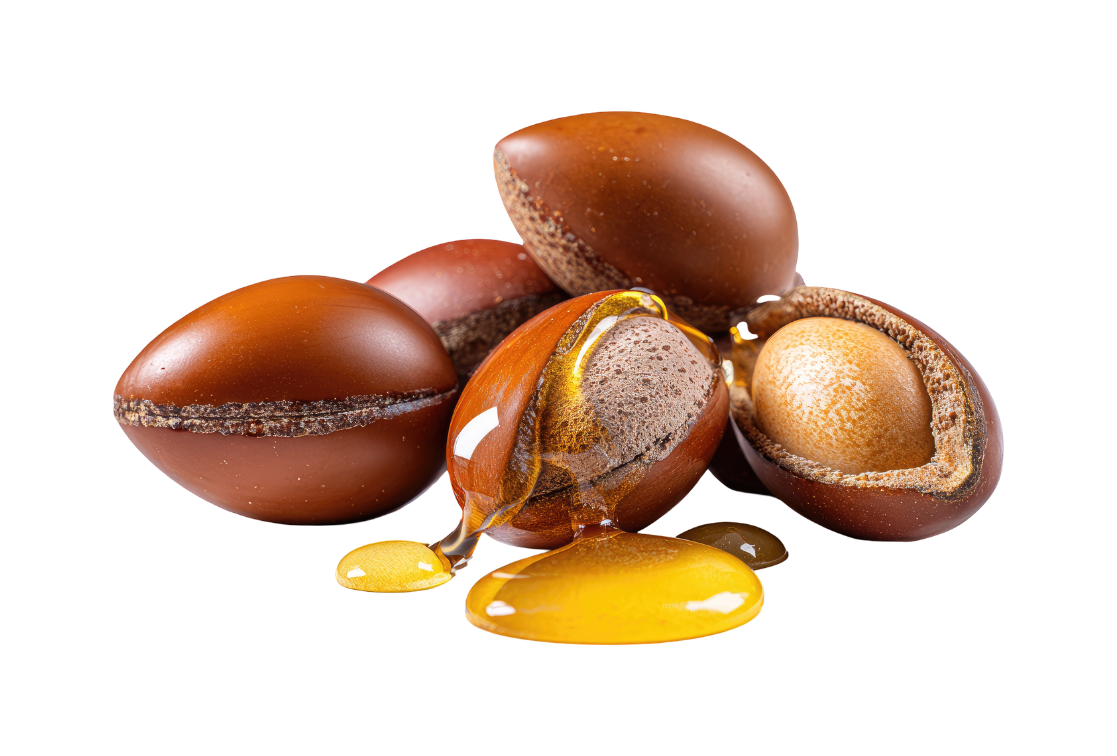
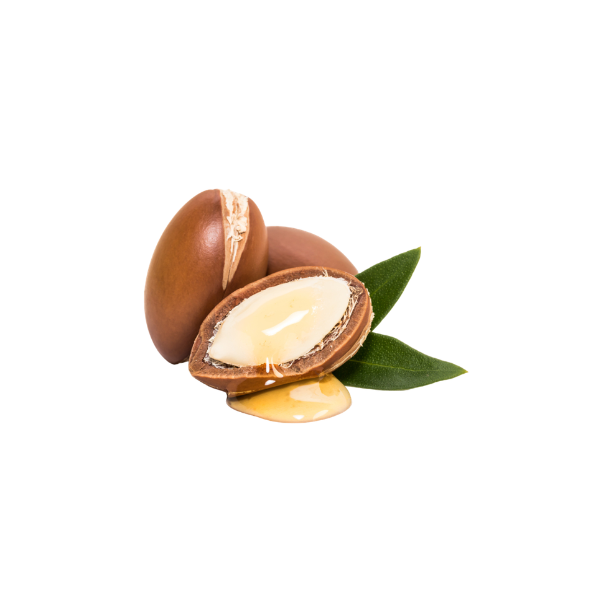
The argan tree is native to southwestern Morocco, between Agadir and Essaouira, where it grows naturally and is protected. When its fruits ripen, they turn a bright yellow color, similar in shape to olives. Each fruit contains one to three oval kernels containing oily seeds, similar to almonds, which are used to produce argan oil.
For argan oil production, only fallen fruits collected between June and September are used. The seeds contain 30%–55% fatty oil, and the fruits are processed by removing the shell, cracking the kernels, extracting the seeds, drying, and pressing.
COMMERCIAL DISCLAIMER
The information provided is for informational and illustrative purposes only. We offer a wide range of products, available in stock or upon request, depending on availability and quantity.
*Conventional products are available on request.
Product availability, specifications, and prices are subject to change and must be confirmed. For more information, please contact the SanaBio GmbH team directly.